
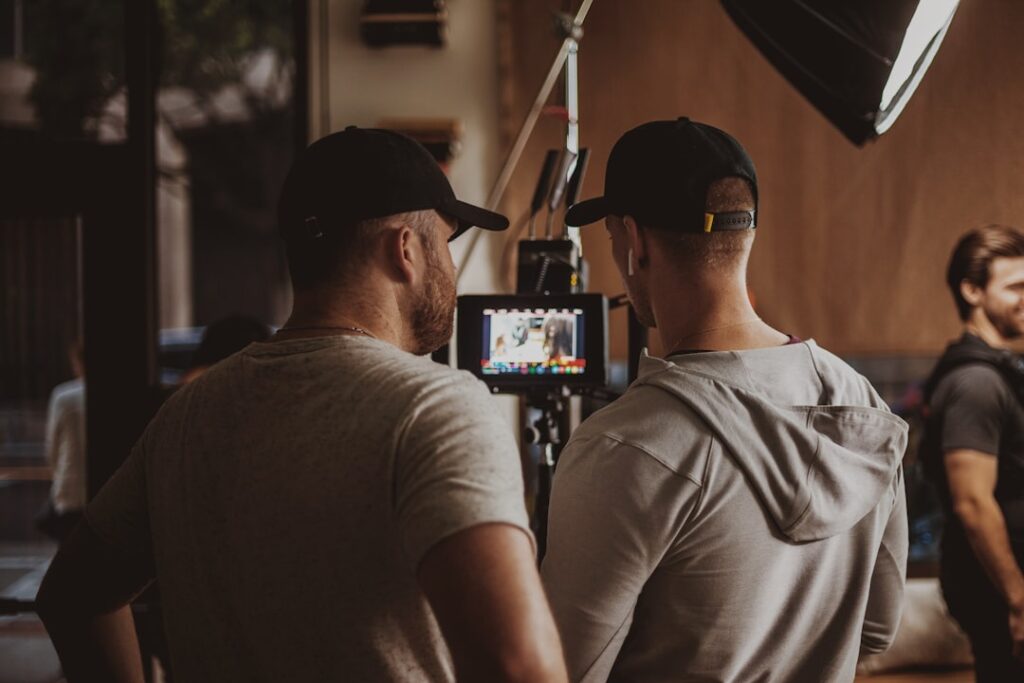
The most reliable way to stay fit during a 12-hour film shoot is to reduce the size of each training session, match it to the department workload and protect sleep. Use short strength sessions on manageable days, movement breaks during static work and recovery sessions when the production day is already physically demanding.
Film crew fitness is workload management. A camera assistant carrying equipment, an art department crew member building a set and a production coordinator at a screen all experience different physical stress. The plan has to account for the work itself.
Reviewed and updated 4 August 2026.
What is the minimum effective plan during a film shoot?
- Complete two short full-body strength sessions in a typical week when recovery allows.
- Use one or two easy aerobic sessions, such as walking or cycling, to support general fitness without adding heavy fatigue.
- Change position and move regularly during long periods of sitting or standing.
- Reduce training when rehearsals, rigging, manual work, night shoots or limited sleep increase the production load.
The 2026 ACSM resistance-training guidance emphasises that regular participation matters more than a complicated programme. During production, consistency often comes from smaller sessions that can survive schedule changes.
Why 12-hour shoot days need a different fitness plan
Long calls reduce the time available for training and recovery. They can also combine manual handling, repeated postures, travel and disrupted meals. The Film and TV Charity’s 2024 research reported that 61% of respondents felt industry work negatively affected their physical health, while 75% of crew respondents said they had been injured while working in the industry.
That evidence does not mean a workout can prevent every injury. It means training should respect the real workload and sit alongside production safety, appropriate equipment, qualified medical care and early reporting of symptoms.
Choose the right session for the day
| Production day | Best training choice | Reason |
|---|---|---|
| Manageable call, adequate sleep | 20 to 35 minutes of full-body strength | Maintains strength with limited volume. |
| Physically heavy department day | Easy mobility, walking or rest | The job has already supplied a high physical load. |
| Long static day | Short movement breaks plus an optional brief workout | Changes posture without turning the break into another hard session. |
| Night shoot or poor sleep | Recovery work or rest | Alertness, safe travel and sleep take priority. |
| Day off with good recovery | Longer planned session | Allows progress without competing with call-day demands. |
A 20-minute film crew workout
Use this session only when you feel alert, have a safe space and can maintain comfortable technique. It is general fitness guidance, not treatment for pain or injury.
Minutes 0 to 4: prepare
- March or walk while moving the arms through a comfortable range.
- Use controlled sit-to-stands or supported split squats.
- Practice slow hip hinges and gentle upper-back rotations.
- Finish with wall or bench push-ups.
Minutes 4 to 16: strength circuit
Complete three controlled rounds. Work for about 40 seconds and allow 20 seconds to change exercises.
- Sit-to-stand or bodyweight squat.
- Incline push-up against a stable surface.
- Reverse lunge, supported split squat or step-up.
- Elevated plank, loaded carry if suitable equipment is available, or a controlled standing march.
Minutes 16 to 20: finish
Walk slowly, allow breathing to settle and use gentle movements for the hips, upper back and shoulders. Avoid forcing a stretch after a tiring day.
How should different film departments adapt training?
| Department demand | Useful emphasis | Common adjustment |
|---|---|---|
| Camera, grip and lighting | Leg strength, carries, upper-back capacity | Keep gym loading lower after heavy equipment days. |
| Art department and construction | Strength maintenance, trunk control, recovery | Avoid duplicating high manual-handling volume. |
| Production, post and office roles | Movement breaks, walking, full-body strength | Break up long static periods. |
| Hair, makeup and costume | Upper-back, hip and hand movement variety | Use brief changes of posture between setups. |
| Drivers and transport | Walking and mobility only when safely off duty | Never train in a way that reduces alertness before driving. |
For a department-specific movement plan, continue to on-set mobility for camera, lighting and art department crew.
How should you eat and hydrate on a long shoot?
Use regular opportunities to eat rather than waiting until you are depleted. Build a practical plate from an available protein source, a carbohydrate source, vegetables or fruit and a suitable drink. The NHS Eatwell Guide offers a useful general framework. Individual medical or nutrition needs belong with a registered dietitian or other qualified clinician.
Our film-set catering and craft services guide explains how to apply this when options and meal times change.
What should you do when sleep is limited?
Treat poor sleep as a training variable. Reduce load, shorten the session or rest. If you are moving into night work, use the separate night-shoot recovery guide. Do not use exercise to push through unsafe drowsiness.
Production safety, alertness and recovery take priority over completing a planned workout.
Film industry fitness coaching by territory
TraceFit is based in Cape Town and offers online Fit2Film coaching for actors, stunt performers and film crews in the United Kingdom, the United States and Canada. Programming is adjusted for call times, travel, equipment access and the physical demands of each production role.
Start with the Film Industry Fitness guide, or explore Fit2Film coaching.
Frequently asked questions
Is a 20-minute workout enough during filming?
It can be enough to maintain a useful routine during a demanding production period. Progress depends on training history, workload and recovery, so some weeks may need more or less.
Should film crew train before or after a 12-hour shoot?
Choose the time that does not compromise sleep, call-time preparation or safe travel. Many crew members do better with brief planned sessions on lower-load days rather than forcing daily training.
Does physical work on set count as exercise?
It counts as physical load and must be included in recovery planning. It may not provide balanced strength or aerobic training, but it can still create substantial fatigue.
What if a movement causes pain?
Stop the movement. Persistent or concerning symptoms should be assessed by an appropriately qualified healthcare professional, and work-related concerns should be reported through the production’s safety process.
For the broader movement framework, read Functional Mobility for Film Industry Professionals.
Sources and further reading
- Film and TV Charity: Physical wellbeing in film and TV
- American College of Sports Medicine: Updated resistance training guidance
- World Health Organization: Physical activity and sedentary behaviour guidelines
About the author: Kundai Murapa is a Cape Town-based professional stunt performer and film-industry fitness coach. Working in film since 2012, he founded TraceFit to build strength, conditioning and functional mobility programmes around the realities of production.
