
Night-shoot recovery starts with a protected daytime sleep opportunity, careful use of light and caffeine, regular meals and fluids, and less optional training. Film crew should plan the transition before the first night call and treat drowsy driving as a safety issue, not a test of toughness.
Night work can shorten sleep and make it harder to fall or stay asleep. NIOSH data shows that night-shift workers report more poor sleep quality and excessive daytime sleepiness than day workers. Recovery planning therefore belongs in film crew fitness and production safety.
Published 4 August 2026.
What should film crew do before the first night shoot?
- Confirm the call, expected wrap, travel time and the sleep window that follows.
- Use the days before the call to move sleep gradually where the schedule allows.
- Prepare a dark, quiet and comfortable sleep environment.
- Plan meals, fluids and any safe transport option before the shift begins.
- Reduce non-essential hard training and protect the time available for sleep.
A single perfect transition is not always possible. The goal is to reduce avoidable disruption and create a plan that can be repeated for the run of night calls.
A practical night-shoot recovery timeline
| Stage | Priority | Practical actions |
|---|---|---|
| Before the shift | Arrive rested and organised | Use a planned sleep opportunity, eat a familiar meal and pack fluids and suitable snacks. |
| First half of the shift | Support alertness | Use brighter working areas where production allows, move during natural breaks and eat regularly. |
| Second half of the shift | Prepare for the sleep transition | Avoid unnecessary stimulation close to the planned sleep period and keep food choices familiar. |
| Travel after wrap | Get home safely | Do not drive when dangerously drowsy; use production or personal safe-transport options. |
| After the shift | Protect sleep | Reduce light where practical, use the prepared sleep environment and silence avoidable interruptions. |
| After waking | Reorient and recover | Get light, eat, hydrate and use gentle movement before deciding whether training is appropriate. |
How should light exposure be managed?
Light is one of the main signals that affects alertness and the body clock. NIOSH guidance suggests more light in the first half of the night shift can support alertness, while reducing bright light later may help the transition toward sleep. Production conditions and personal health needs vary, so use this as general guidance rather than treatment.
Read NIOSH guidance on light during night shifts. Anyone with a sleep disorder, relevant medical condition or persistent symptoms should seek qualified clinical advice.
How should caffeine be used on a night shoot?
If an adult normally uses caffeine, keep the amount familiar and avoid taking it close to the planned sleep period. Caffeine cannot replace sleep and should never be used to justify unsafe driving or hazardous work while severely drowsy.
People vary in sensitivity, and some should limit or avoid caffeine for medical or other reasons. Individual advice belongs with an appropriate healthcare professional.
What should film crew eat overnight?
Use a normal meal framework: a suitable protein source, carbohydrate, vegetables or fruit and fluids. Smaller familiar meals or snacks may be easier for some people overnight than one very large meal. The key is to plan the full shift so food does not depend on a single late catering window.
See How to Eat Well From Film Catering and Craft Services for practical choices and backup options.
Should film crew exercise after a night shoot?
Usually, sleep and safe travel are the priorities after wrap. Hard training immediately after a night shift can add fatigue and delay sleep. Gentle walking or comfortable mobility may help some people transition, but it should not become a barrier to the sleep opportunity.
During a run of night shoots, maintain fitness with short sessions after waking, only when alert and recovered. Use the guide to staying fit during 12-hour film shoots and the on-set mobility guide.
Can naps help during night production?
A planned sleep opportunity before a shift can increase total sleep. A short nap during a production break may help only if the production permits it, the environment is safe and there is enough time to regain alertness before work resumes. Do not nap in hazardous areas, vehicles or locations that breach production policy.
NIOSH advises night workers to sleep as much as possible and notes that planned naps can help increase total sleep time. See its night-shift sleep guidance.
What helps when the night schedule ends?
- Decide whether the next obligation requires an immediate return to daytime hours or a gradual change.
- Keep the final post-shift travel plan safe.
- Use light after waking to support the new schedule.
- Return to harder training only after sleep and alertness improve.
- Maintain regular meals and fluids while the schedule changes.
When is professional help appropriate?
Seek qualified medical advice for persistent insomnia, severe daytime sleepiness, breathing-related sleep concerns, significant mood or health changes, or symptoms that affect safe work and driving. Production safety concerns should also be reported through the appropriate workplace process.
No recovery routine makes it safe to drive or perform hazardous work when dangerously drowsy.
Night-shoot recovery in Cape Town, the UK and North America
TraceFit supports Cape Town film crews and offers online Fit2Film coaching for production professionals in the United Kingdom, the United States and Canada. Plans account for call sheets, time zones, travel, climate, safe training windows and the change back to daytime work.
Explore Fit2Film Crew and the main Film Industry Fitness guide.
Related: Use wearable recovery data for film professionals to interpret HRV, sleep and readiness trends around night work.
Frequently asked questions
How do film crew recover after a night shoot?
Prioritise safe travel, a dark and quiet sleep environment, adequate sleep opportunity, regular meals and fluids, and lower training volume until alertness improves.
Is it better to train before or after a night shoot?
If training is appropriate, many people tolerate a brief session after waking better than hard exercise after wrap. The safe choice depends on sleep, alertness and the production schedule.
How long does it take to adjust to night shoots?
Adjustment varies with the number of nights, shift timing, light exposure, sleep opportunity and individual factors. Some workers never fully adapt to short production runs.
What should crew do if they are too tired to drive?
Do not drive dangerously drowsy. Use production transport, a lift, taxi, public transport where safe and available, or another planned option that allows safe travel.
For the broader movement framework, read Functional Mobility for Film Industry Professionals.
Sources and further reading
- NIOSH: Shift work and sleep
- NIOSH: Light during night and evening shifts
- NIOSH: Sleep during night and evening shifts
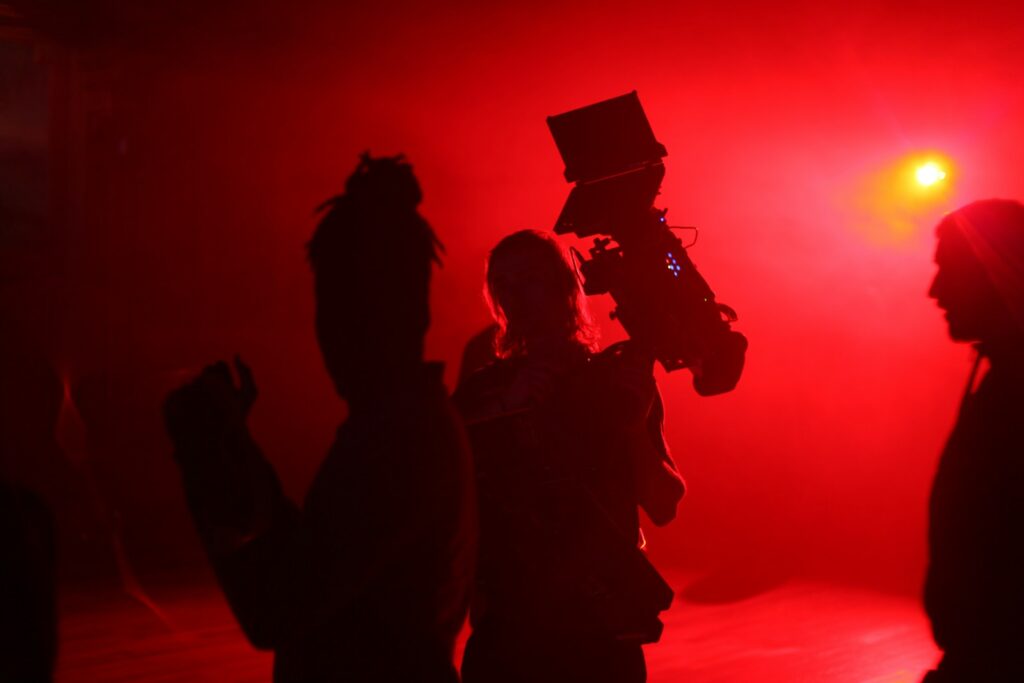
Featured photo by Logan Ward on Unsplash.
About the author: Kundai Murapa is a Cape Town-based professional stunt performer and film-industry fitness coach. Working in film since 2012, he founded TraceFit to build strength, conditioning and functional mobility programmes around the realities of production.
